Objective
Era Objective
The British Indian Armed Forces era covers the development of military institutions in India under British Crown rule, from 1858 to 1947. It traces the reorganisation of the armies after the uprising of 1857, the consolidation of the Indian Army, and the growth of naval and air services under colonial authority. Indian soldiers served in campaigns across Asia, Africa, Europe, and the Middle East, including both World Wars. The period saw changes in regimental organisation, officer training, weapons, communications, and military logistics. By 1947, the armed forces had become a large and experienced military establishment, but Partition divided its personnel, units, equipment, and administrative structures.
Visual Record
Photos From This Era
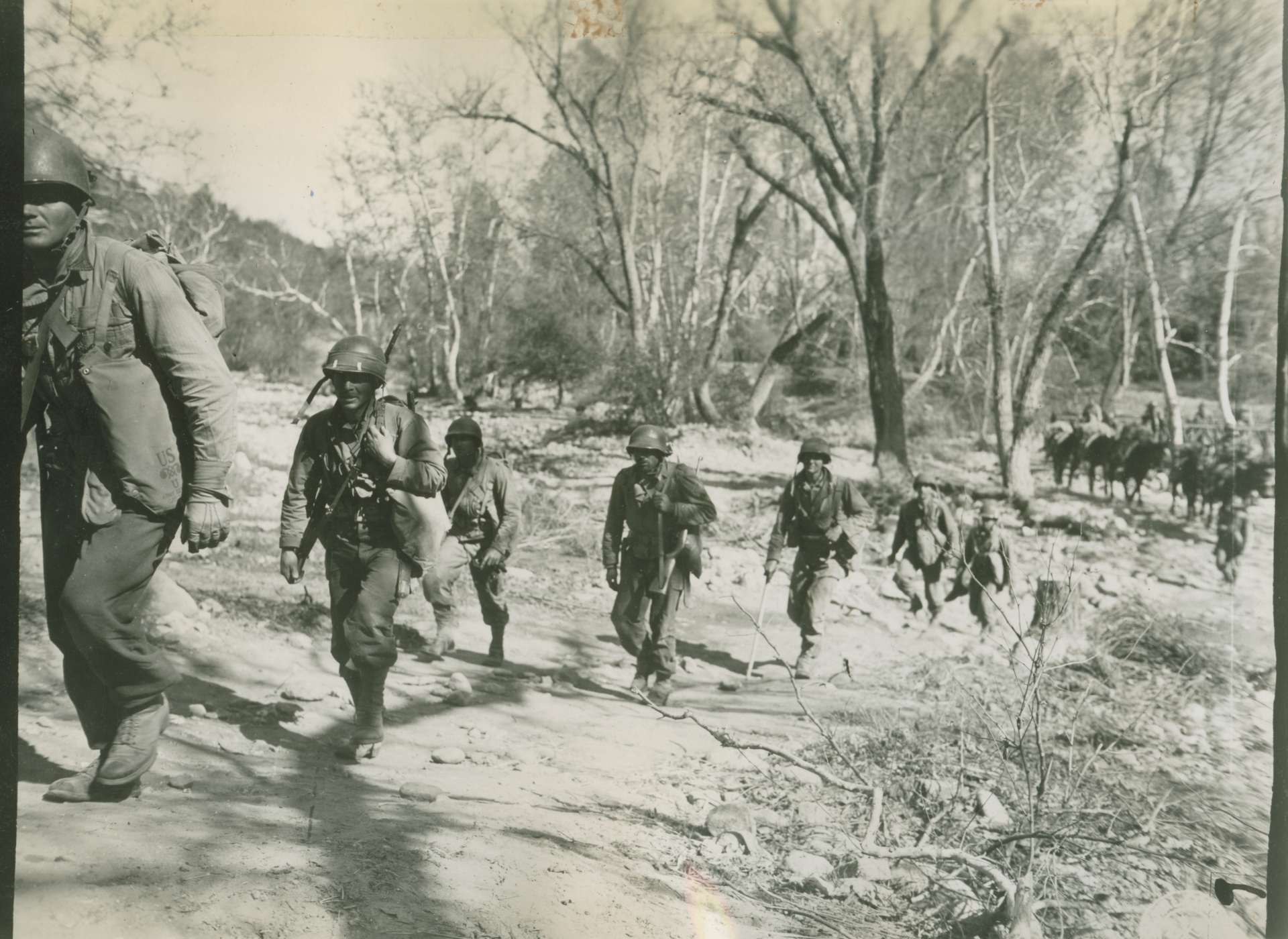


Historical Context
Understanding This Era
Following the 1857 uprising, the British Crown assumed direct control over India in 1858. The military was reorganised, recruitment policies changed, and the Presidency Armies were gradually consolidated. The Indian Army developed as a central instrument of colonial defence and imperial campaigns, with Indian soldiers serving under British command. The First World War brought extensive Indian Army deployments overseas. Between the wars, Indianisation of the officer corps advanced gradually. The Indian Air Force was established in 1932, while the Royal Indian Navy developed as a separate naval service in the 1930s. During World War II, the armed forces expanded in size and technical capability. In 1947, the end of British rule brought the division of the military between the newly independent Dominions of India and Pakistan.
Historical Timeline