Objective
Era Objective
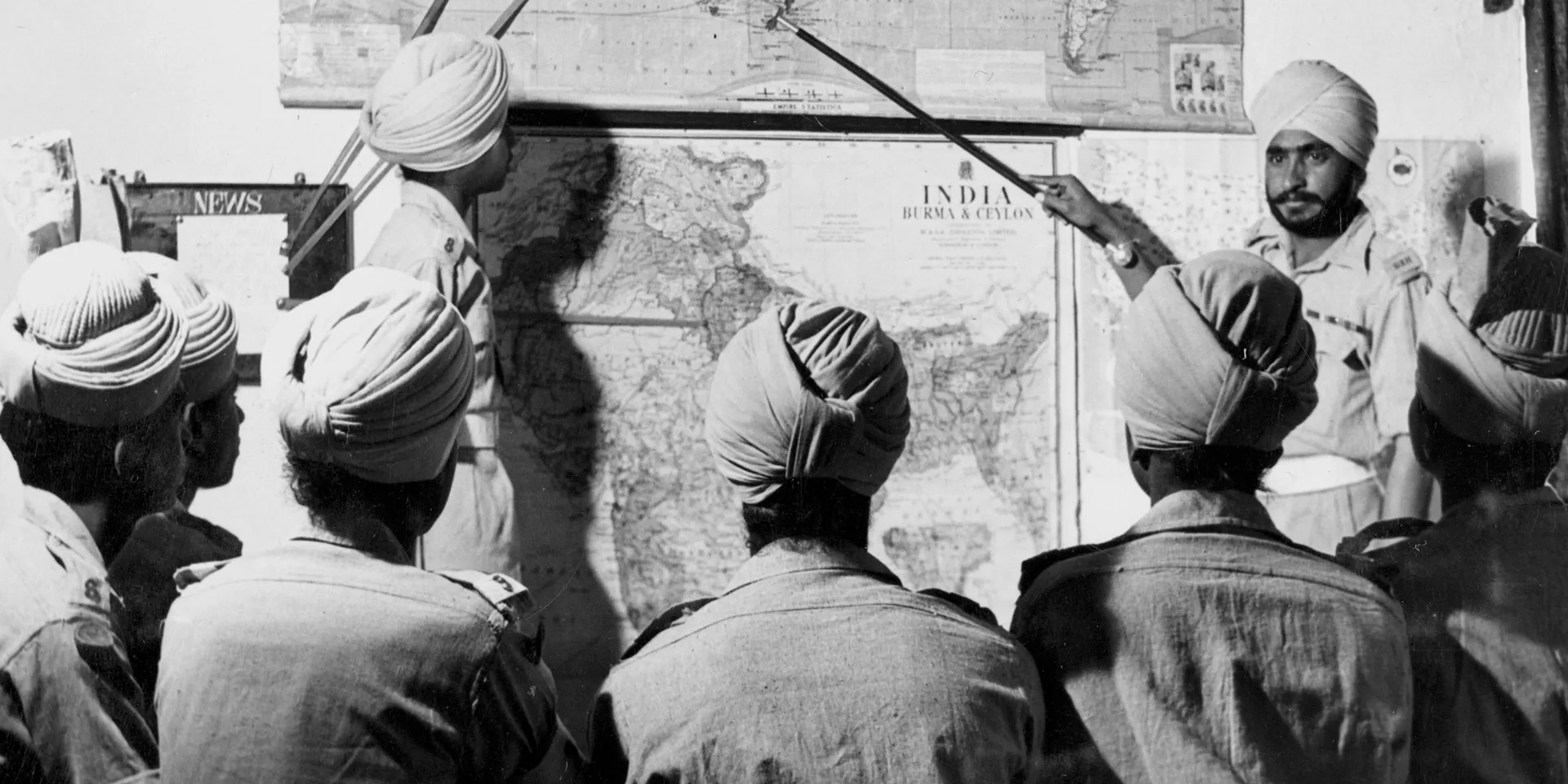
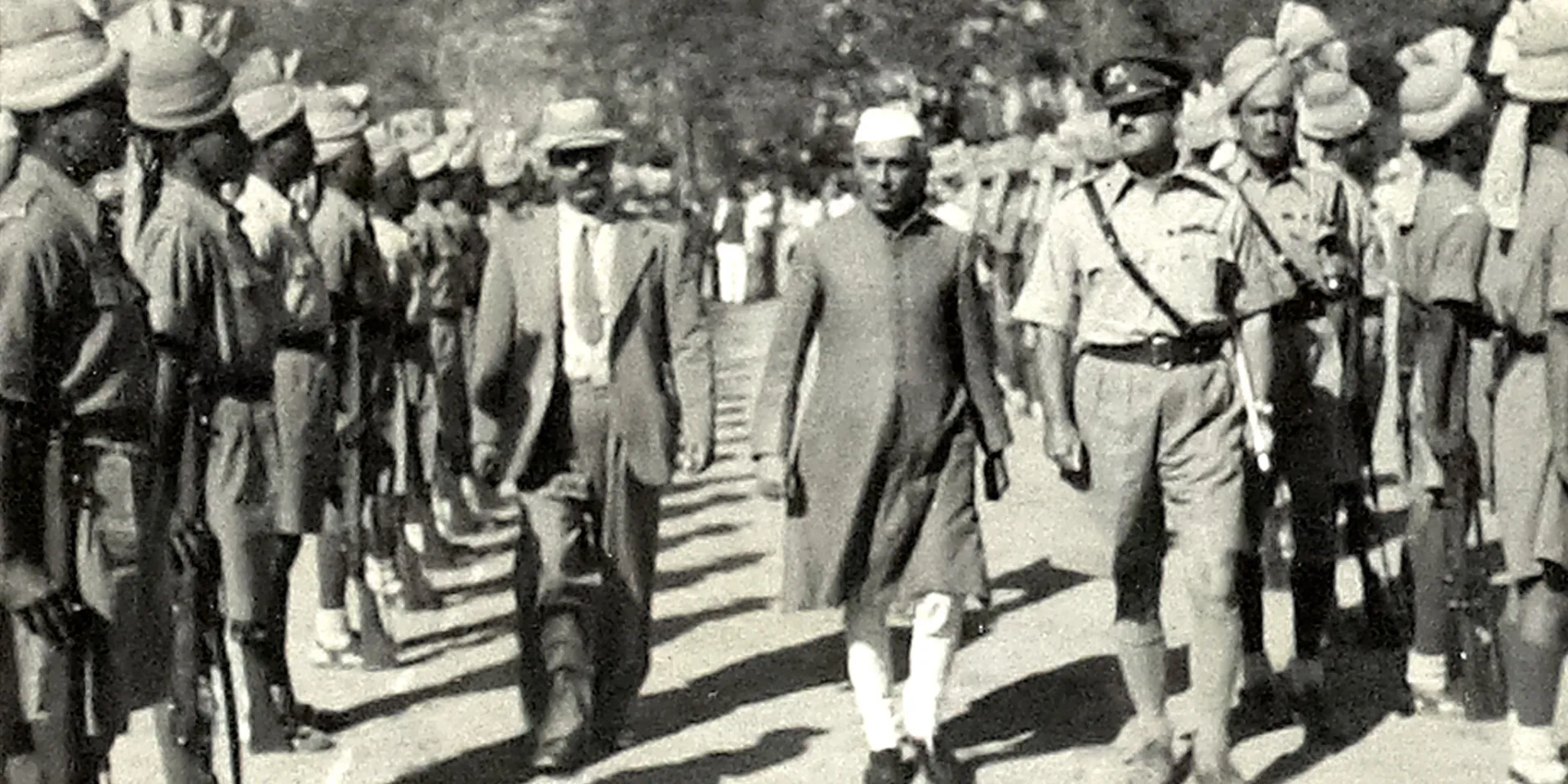
The years from 1947 to 1961 marked the foundation of India’s armed forces as institutions of an independent nation. Following Partition, military personnel, units, equipment, headquarters, and administrative establishments had to be divided and reorganised. The services gradually moved from British-led command arrangements towards Indian leadership, while developing structures for national defence. The period brought major operational experience across different roles. Indian forces defended Jammu and Kashmir in 1947–48, took part in the integration of Hyderabad in 1948, and served in international responsibilities in Korea and the Congo. High-altitude operations, air support, armoured mobility, and joint-service coordination shaped military experience. The era concluded with Operation Vijay in December 1961, involving the Army, Navy, and Air Force in Goa, Daman, and Diu.
Visual Record
Photos From This Era


Historical Context
Understanding This Era
At independence on 15 August 1947, India inherited military institutions shaped by British rule. Partition required the division of personnel, units, equipment and administrative responsibilities between India and Pakistan. The armed forces also had to establish command arrangements suited to the new country, while the departure of British officers accelerated the process of Indianisation. The first major military challenge came in Jammu and Kashmir in 1947–48. Indian forces were deployed following the Maharaja’s accession to India and fought across difficult mountain terrain. Operations included the defence and recovery of key areas, the capture of Rajauri, and the recapture of Zoji La in November 1948, where armour was used in a high-altitude operation. The armed forces were also involved in the integration of princely states. Operation Polo in September 1948 brought Hyderabad under the control of the Indian Union. In the following years, the services continued to develop their organisation, training and equipment. India contributed to international responsibilities, including the Custodian Force in Korea and the United Nations operation in the Congo. In December 1961, the Army, Navy and Air Force participated in Operation Vijay, which brought Portuguese rule in Goa, Daman and Diu to an end. By the close of this era, India’s armed forces had gained experience in territorial defence, internal integration-related operations, high-altitude warfare and international missions. These developments formed part of the institutional foundation for the decades that followed.
Historical Timeline