Objective
Era Objective
High-Altitude, Expeditionary & Kargil Operations covers the period from 1985 to 1999, when the Indian Armed Forces sustained demanding deployments in the Himalayas, undertook overseas missions and fought the Kargil conflict of 1999. The era explores the continued military presence in the Siachen Glacier, high-altitude logistics and the challenges of operating in severe terrain and weather. It also examines India’s expeditionary responsibilities, including the Indian Peace Keeping Force deployment in Sri Lanka and Operation Pawan from 1987 to 1990, as well as Operation Cactus in the Maldives in 1988. These missions involved different operational environments and required rapid deployment, inter-service coordination, air mobility, maritime support and sustained logistics. The final phase of this era is defined by the Kargil conflict in May–July 1999. The Indian Army’s Operation Vijay, the Indian Air Force’s Operation Safed Sagar and the Indian Navy’s Operation Talwar formed the military response to the occupation of positions on the Indian side of the Line of Control. Fighting took place across high-altitude sectors including Dras, Kargil, Batalik, Mushkoh and Kaksar. The campaign involved difficult mountain assaults, artillery, air operations, naval readiness and coordinated national-level decision-making. The recapture of occupied positions and the conclusion of the Kargil operations on 26 July 1999 marked the end of this era. The conflict became a major reference point for subsequent defence reviews, operational preparedness and military modernisation, which are covered in the following Chronicle era beginning in 2000.
Visual Record
Photos From This Era

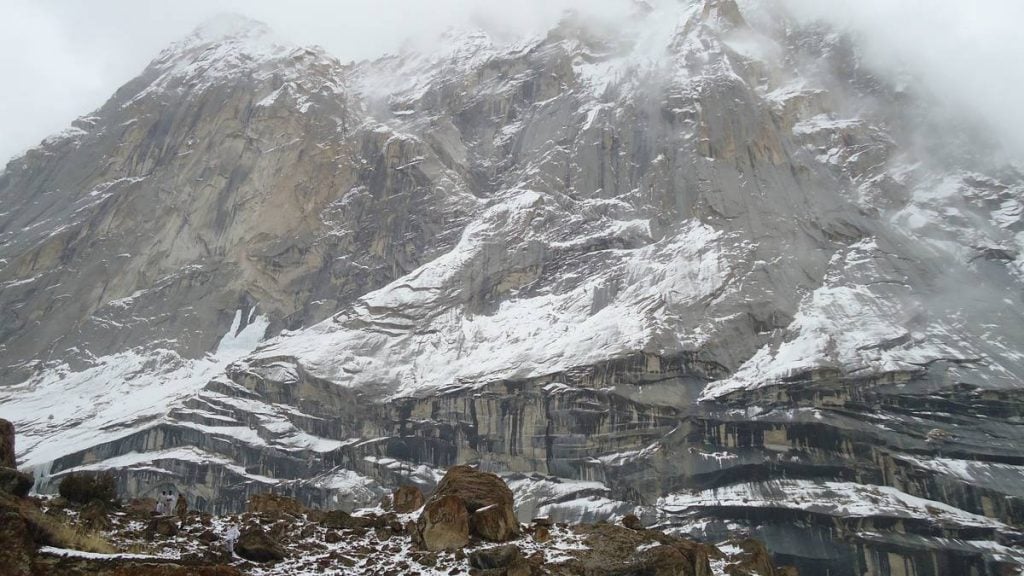


Historical Context
Understanding This Era
The Siachen region remained a demanding high-altitude operational environment after Operation Meghdoot began in April 1984. During the 1985–1999 period, Indian Army personnel continued to maintain positions in the glacier and surrounding heights, supported by the Indian Air Force and specialised logistics. The terrain, altitude, severe weather and limited routes made troop rotation, casualty evacuation and supply delivery central operational challenges. A significant Siachen action occurred in June 1987, when Indian troops captured the feature known as Quaid Post, later named Bana Top. The operation required movement and combat at extreme altitude and became an important part of the history of high-altitude warfare. The Siachen region remained a demanding high-altitude operational environment after Operation Meghdoot began in April 1984. During 1985–1999, Indian Army personnel continued to maintain positions in the glacier and surrounding heights, supported by specialised logistics and air operations. The terrain, altitude, severe weather and limited routes made troop rotation, casualty evacuation and supply delivery central operational challenges. In June 1987, Indian troops captured Quaid Post, later renamed Bana Top, in a significant high-altitude action. India’s regional military responsibilities also included overseas deployments. Following the Indo-Sri Lanka Accord, the Indian Peace Keeping Force was deployed in Sri Lanka in 1987. Operation Pawan formed part of this deployment. Its tasks and operational circumstances changed over time, and the mission developed into sustained combat operations before the IPKF withdrawal was completed in 1990. In November 1988, India launched Operation Cactus in response to an attempted coup in the Maldives. The operation involved rapid deployment by air and support from naval forces, demonstrating the ability to respond to a regional crisis beyond India’s borders. In May 1999, reports of intrusions in the Kargil sector led to reconnaissance and military operations to identify and evict forces occupying positions on the Indian side of the Line of Control. The Indian Army launched Operation Vijay. The Indian Air Force began Operation Safed Sagar on 26 May, providing air support, reconnaissance and strike missions in high-altitude conditions. The Indian Navy initiated Operation Talwar and increased its maritime readiness and deployment in the Arabian Sea. The government directed that Indian forces should not cross the Line of Control during the campaign. The campaign involved major battles and objectives in the Dras, Kargil, Batalik, Mushkoh Valley and Kaksar areas. Tololing was recaptured in June, followed by the recapture of Tiger Hill on 4 July and intense fighting around Point 4875 and other heights. The operations required infantry assaults on steep ridgelines, artillery support, air operations at high altitude and sustained logistical effort. By 26 July 1999, the campaign had concluded with the eviction of intruding forces from the occupied positions. Kargil highlighted the operational demands of high-altitude warfare and the need for effective intelligence, surveillance, inter-service coordination, logistics and specialised equipment. The experience informed subsequent defence and preparedness discussions. Since this Chronicle era ends in 1999, the Kargil War belongs here in full; developments from 2000 onward should be placed in the next era.
Historical Timeline