Objective
Era Objective
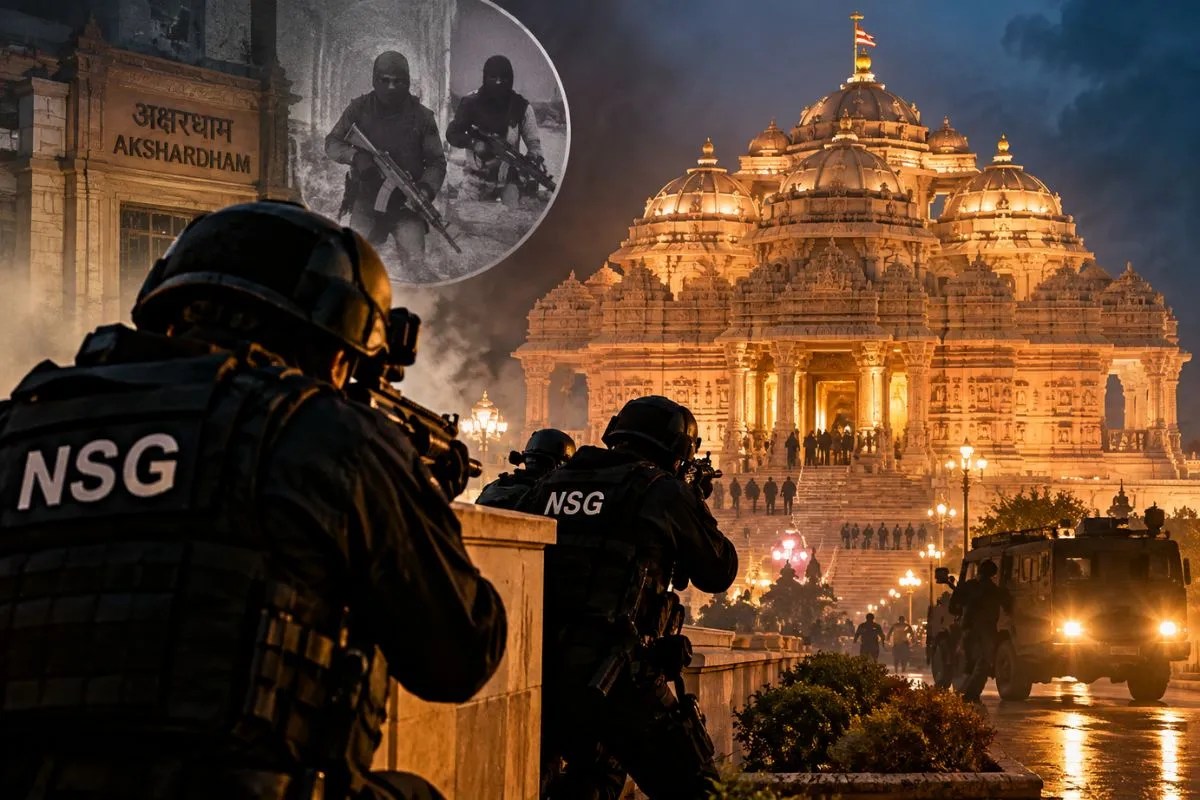
Domestic Security, Military Readiness & Counter-Terrorism Operations covers the period from 2000 to 2013, focusing on the Indian Armed Forces’ operational responsibilities within India during a changing national security environment. The era examines large-scale military mobilisation, counter-insurgency operations, specialised counter-terrorist responses and developments in border security. The 2001 terrorist attack on the Indian Parliament was followed by Operation Parakram, a major mobilisation of Indian forces along the western border. In 2002, the National Security Guard conducted Operation Vajra Shakti at Akshardham Temple in Gujarat. In 2003, the Indian Army launched Operation Sarp Vinash in the Hill Kaka area of Jammu and Kashmir against terrorist hideouts. The November 2008 Mumbai terrorist attacks led to Operation Black Tornado, conducted by the National Security Guard. The period also included continued counter-insurgency activity in Jammu and Kashmir, support to anti-Naxal operations and attention to military preparedness along India’s borders. The era concludes in 2013, reflecting the Armed Forces’ continuing role in national defence, operational readiness and domestic security.
Visual Record
Photos From This Era



Historical Context
Understanding This Era
The beginning of the 2000s was shaped by the security situation following the 1999 Kargil conflict, although Kargil itself falls outside this era. On 13 December 2001, terrorists attacked the Indian Parliament in New Delhi. The attack was followed by Operation Parakram, during which the Indian Armed Forces were mobilised along the international border with Pakistan and the Line of Control. The mobilisation continued into 2002 and required extensive force deployment, readiness and logistical planning. In September 2002, the National Security Guard conducted Operation Vajra Shakti at Akshardham Temple in Gujarat following a terrorist attack. In April 2003, the Indian Army launched Operation Sarp Vinash in the Hill Kaka area of Jammu and Kashmir to clear terrorist hideouts. These operations demonstrated the importance of specialised counter-terrorist capabilities, intelligence-led planning and coordination between security organisations. On 26 November 2008, coordinated terrorist attacks struck multiple locations in Mumbai. The National Security Guard conducted Operation Black Tornado at the Taj Mahal Palace Hotel, Oberoi-Trident and Nariman House. The attacks led to renewed attention to rapid response, intelligence coordination and specialised counter-terrorism preparedness. Regional NSG hubs were established to improve response capability. In the later years of the era, the Armed Forces continued their responsibilities in border security and counter-insurgency-related operations. The Indian Air Force also provided helicopter support to anti-Naxal operations under Operation Triveni. By 2013, the period reflected the continuing need to balance conventional military readiness with specialised responses to security threats within India.
Historical Timeline